Which CNC Machining Of Aluminum Block Electrical Accessories Meet Your Needs?
Article Summary
CNC machining of aluminum block electrical accessories plays an important role in manufacturing reliable components for electrical equipment, power distribution systems, industrial control devices, and electronic assemblies. Aluminum offers an attractive combination of lightweight construction, corrosion resistance, thermal conductivity, and machinability. However, producing dependable electrical accessories requires more than simply cutting aluminum into the desired shape.
This guide explains the essential machining processes, material considerations, dimensional requirements, surface finishing options, quality control methods, and supplier selection factors involved in custom aluminum electrical component manufacturing. It also helps procurement professionals understand how to evaluate machining capabilities and reduce production risks when sourcing custom aluminum parts.
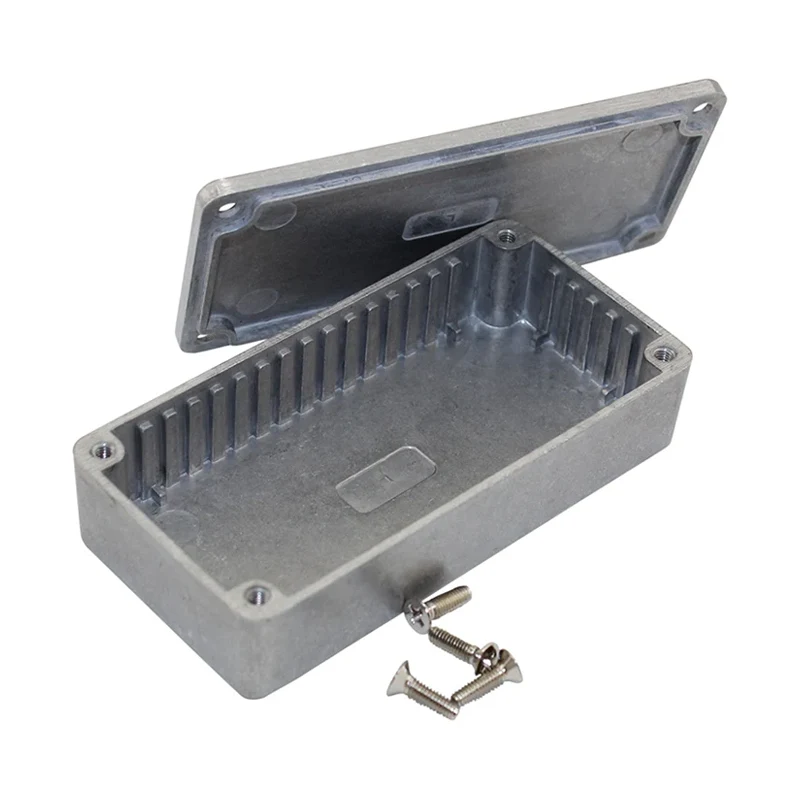
1. Understanding CNC Machining of Aluminum Block Electrical Accessories
CNC machining of aluminum block electrical accessories refers to the manufacturing of custom electrical components from solid aluminum blocks or billets using computer-controlled machining equipment. Instead of relying entirely on casting or conventional manual machining, manufacturers use programmed cutting tools to remove material and produce accurate geometries according to engineering drawings.
These components can include electrical connection blocks, terminal housings, mounting brackets, conductive supports, equipment enclosures, connector bodies, and custom structural parts used in electrical assemblies.
Electrical accessories often have detailed requirements that directly affect their functionality. For example, a connection block may need accurately positioned mounting holes, precisely machined contact surfaces, and controlled dimensions to ensure proper assembly with other electrical components.
What makes these components demanding to manufacture?
- Precise hole positions and thread dimensions for secure connections.
- Consistent dimensional tolerances for accurate equipment assembly.
- Suitable surface conditions for electrical contact and protection.
- Reliable material properties under thermal and mechanical loads.
- Repeatable manufacturing quality across production batches.
For buyers, the objective is not simply to obtain an aluminum part that matches a drawing. It is to source a component that performs consistently in its intended electrical environment while meeting budget, delivery, and production requirements.
2. Why Aluminum Is Suitable for Electrical Accessories
Aluminum is widely used in industrial electrical manufacturing because it provides several useful engineering characteristics. Its relatively low density, good thermal conductivity, machinability, and natural corrosion resistance make it suitable for a broad range of custom electrical components.
2.1 Lightweight Construction
Aluminum has a much lower density than copper and steel. This makes it a practical choice for electrical equipment where reducing component weight can simplify installation, transportation, and equipment design.
2.2 Thermal Conductivity
Electrical accessories may operate near heat-generating components. Aluminum can transfer heat effectively, helping designers manage thermal conditions in suitable applications. Actual thermal performance depends on component geometry, contact conditions, airflow, and operating loads.
2.3 Machinability
Many aluminum alloys can be machined efficiently using CNC milling, drilling, tapping, and turning processes. Their machinability allows manufacturers to create complex profiles, threaded holes, recessed areas, and precision mounting features without unnecessarily complicated production methods.
2.4 Corrosion Resistance
Aluminum naturally forms a thin oxide layer when exposed to air. This layer provides a degree of corrosion protection. Additional surface treatments can improve appearance, wear resistance, or environmental durability when the application requires them.
2.5 Material Selection Matters
Not all aluminum alloys provide identical mechanical, thermal, electrical, or machining characteristics. The correct grade should be selected according to the component's functional requirements rather than price alone.
| Material | Key Characteristics | Potential Applications |
|---|---|---|
| 6061 Aluminum | Good machinability, strength, corrosion resistance, and versatility. | Mounting blocks, housings, structural accessories. |
| 6063 Aluminum | Good extrudability, surface appearance, and corrosion resistance. | Profiles, housings, and selected structural parts. |
| 6082 Aluminum | Good structural strength and machining suitability. | Load-bearing brackets and industrial components. |
| 7075 Aluminum | High strength-to-weight ratio and good machinability. | Specialized high-strength components. |
The final material choice should also consider electrical conductivity, corrosion exposure, operating temperature, joining methods, and relevant industry standards. For applications involving direct electrical conduction, material suitability must be verified carefully. Aluminum is not automatically interchangeable with copper.
3. Common CNC Machining Processes for Aluminum Electrical Accessories
Different electrical accessories require different machining operations. A well-planned production process combines suitable cutting methods to achieve the required dimensions, surface quality, and functional features.
3.1 CNC Milling
CNC milling is one of the most frequently used processes for manufacturing aluminum block electrical accessories. Rotating cutting tools remove material from a fixed or repositioned workpiece to create flat surfaces, slots, pockets, steps, and complex contours.
Three-axis milling is suitable for many standard parts, while four-axis and five-axis machining can support more complicated geometries and reduce the need for repeated setups.
3.2 CNC Drilling
Drilling creates holes for bolts, connectors, fastening systems, cable interfaces, and other assembly features. Hole diameter, depth, position, and perpendicularity can all influence installation accuracy.
3.3 CNC Tapping
Tapping produces internal threads that allow screws and bolts to secure electrical accessories. Thread specifications should clearly identify the thread standard, nominal size, pitch, and required thread depth.
3.4 CNC Turning
Turning is appropriate for components with cylindrical features, such as connector bodies, threaded sleeves, spacers, and round mounting elements. Combined milling and turning operations can produce parts with both rotational and non-rotational features.
3.5 Precision Finishing and Deburring
After the main cutting operations, finishing processes help remove burrs, improve edge conditions, and achieve the specified surface quality. This is especially important for electrical accessories because sharp edges or machining debris may interfere with assembly, insulation, or connection reliability.
Manufacturing tip: Selecting the right machining sequence can reduce unnecessary tool changes, repeated clamping, and dimensional variation. A practical process plan should be developed around the component's most critical features.
4. Important Design and Manufacturing Considerations
Successful aluminum CNC machining begins before the first cutting tool touches the material. Design details, drawing quality, tolerance requirements, and production planning all influence the final result.
4.1 Dimensional Tolerances
Electrical accessories frequently connect with other manufactured parts. Incorrect dimensions can cause assembly difficulties, loose connections, misalignment, or additional installation work.
Buyers should identify critical dimensions instead of applying unnecessarily tight tolerances to every feature. Tight tolerances may increase machining time, inspection costs, and production complexity.
4.2 Hole Position and Thread Accuracy
Mounting and connection holes should be positioned according to the assembly drawing. Threaded features must also be checked for proper engagement, depth, and consistency.
4.3 Wall Thickness and Structural Strength
Thin walls and narrow sections can deform during machining or under assembly loads. Designers should consider material thickness, clamping forces, component rigidity, and the intended service environment.
4.4 Surface Roughness
Surface roughness affects contact conditions, sealing interfaces, appearance, and assembly performance. A machined surface intended for electrical contact may have different requirements from an external decorative surface.
4.5 Electrical and Thermal Requirements
Where a component carries current, designers should specify the required electrical properties, contact area, current load, operating temperature, and connection method. Thermal expansion and heat dissipation should also be considered when components operate under changing temperatures.
4.6 Design for Manufacturability
Design for manufacturability helps balance functional requirements with production efficiency. Avoiding unnecessarily deep pockets, extremely small internal corners, and inaccessible machining features can make production more predictable.
5. Surface Finishing Options for Aluminum Components
Surface finishing is an important part of CNC machining of aluminum block electrical accessories. The right treatment can improve corrosion resistance, appearance, wear performance, or other application-specific characteristics.
5.1 Anodizing
Anodizing creates a controlled oxide layer on the aluminum surface through an electrochemical process. It is commonly selected for components requiring improved corrosion resistance, surface durability, and decorative appearance.
However, anodizing changes the surface and can affect electrical contact. Masking or alternative contact treatments may be necessary for designated conductive areas.
5.2 Sandblasting
Sandblasting or abrasive blasting creates a more uniform matte appearance and helps prepare the surface for certain subsequent treatments. The abrasive media and process parameters should be selected according to the material and final requirements.
5.3 Polishing
Polishing improves surface appearance and can reduce visible machining marks. It may be appropriate for components where appearance or smooth surface conditions are important.
5.4 Chemical Conversion Coating
Chemical conversion treatments can provide corrosion protection and may be selected where maintaining electrical conductivity is important. Performance depends on the specific coating system and applicable specifications.
| Surface Treatment | Main Purpose | Important Consideration |
|---|---|---|
| Anodizing | Corrosion protection and appearance. | May electrically insulate treated surfaces. |
| Sandblasting | Uniform matte texture. | Control surface roughness and media selection. |
| Polishing | Smoother and more attractive appearance. | Specify the required finish level. |
| Conversion Coating | Corrosion protection with selected conductive properties. | Verify coating performance and specifications. |
For electrical applications, buyers should identify which surfaces require electrical contact and which surfaces need protective finishing. This distinction helps prevent unnecessary treatment of functional contact areas.
6. Quality Control and Dimensional Accuracy
Quality control is essential when manufacturing custom electrical accessories. Even a visually acceptable component may fail during assembly if its critical dimensions, thread quality, or surface conditions do not meet the engineering requirements.
6.1 Incoming Material Inspection
Material verification helps ensure that the correct aluminum alloy and material condition are used. Depending on project requirements, inspection may include material certificates, grade identification, dimensions, and visual checks.
6.2 In-Process Inspection
Checking dimensions during machining helps identify problems before an entire production batch is completed. Critical holes, thicknesses, and reference surfaces should receive appropriate attention.
6.3 Final Dimensional Inspection
Common inspection equipment includes digital calipers, micrometers, height gauges, thread gauges, and coordinate measuring machines (CMM). The inspection method should match the tolerance and geometry being evaluated.
6.4 Surface and Functional Inspection
Visual inspection can identify scratches, burrs, dents, contamination, and obvious finishing defects. Where required, additional checks may evaluate conductivity, contact resistance, coating thickness, or other functional characteristics.
6.5 Documentation and Traceability
For repeat orders and industrial procurement, inspection records, material documentation, revision control, and batch identification help maintain manufacturing consistency.
Recommended quality inspection checklist:
- Confirm aluminum alloy and material specifications.
- Verify overall dimensions and critical tolerances.
- Check hole positions, diameters, and thread quality.
- Inspect surface roughness and finishing consistency.
- Remove burrs and machining residues.
- Verify functional requirements where applicable.
- Review inspection documentation before shipment.
7. Applications Across Electrical Industries
Custom aluminum block electrical accessories are used in many industrial environments. Their applications depend on the component's geometry, electrical characteristics, mechanical strength, and operating conditions.
7.1 Power Distribution Equipment
Aluminum machined components can be used in selected power distribution assemblies, mounting structures, connection supports, and equipment housings. Components designed for current-carrying applications must meet the relevant electrical and thermal requirements.
7.2 Industrial Control Systems
Industrial control cabinets and automation equipment may require custom aluminum brackets, mounting blocks, connector supports, and precision-machined structural accessories.
7.3 Electrical Enclosures
Custom-machined aluminum parts can support enclosure assembly, equipment installation, and mechanical protection. Accurate dimensions help ensure compatibility with other enclosure components.
7.4 Electronic Equipment
Electronic equipment may use aluminum accessories for structural support, heat transfer, component positioning, and connection interfaces. Surface finish and dimensional accuracy should be selected according to the actual application.
7.5 Renewable Energy Systems
Solar power equipment, energy storage systems, and other renewable energy installations may require custom-machined aluminum components for mounting, housing, and selected electrical connection assemblies.
8. Common Manufacturing Challenges and Practical Solutions
Although aluminum is generally suitable for CNC machining, manufacturing electrical accessories still involves several challenges. Identifying these issues early helps buyers avoid unnecessary costs and production delays.
Challenge 1: Dimensional Deformation
Thin-walled aluminum components can deform because of clamping pressure, cutting forces, or residual material stress.
Solution: Use suitable workholding methods, optimized machining sequences, appropriate cutting parameters, and intermediate inspection where necessary.
Challenge 2: Burr Formation
Burrs may develop around drilled holes, milled edges, and intersecting features. They can interfere with assembly and create unwanted sharp edges.
Solution: Optimize cutting tools and machining parameters, then apply appropriate deburring and cleaning procedures.
Challenge 3: Surface Scratches and Marks
Aluminum surfaces can be damaged during machining, handling, finishing, or packaging.
Solution: Use suitable workholding protection, controlled handling procedures, and packaging materials that reduce contact damage.
Challenge 4: Inconsistent Production Batches
Variations in machine setup, tool wear, raw material, and inspection practices can affect batch consistency.
Solution: Maintain controlled machining programs, monitor tool conditions, document critical dimensions, and establish repeatable inspection procedures.
Challenge 5: Unclear Technical Requirements
Incomplete drawings or missing specifications can cause misunderstandings about tolerances, threads, finishing, and functional surfaces.
Solution: Confirm engineering drawings, revision numbers, material grades, surface treatment requirements, and inspection criteria before production begins.
9. How to Select a Reliable CNC Machining Supplier
Choosing the right supplier is an important decision for overseas buyers sourcing CNC machined aluminum electrical accessories. A competitive quotation is useful, but manufacturing capability and communication quality are equally important.
9.1 Evaluate Machining Capabilities
Check whether the supplier has suitable CNC milling, drilling, tapping, turning, and finishing capabilities. For complex components, ask about available machining axes, equipment capacity, and production experience with similar geometries.
9.2 Review Material and Process Knowledge
A capable supplier should understand the differences between common aluminum alloys and explain how material selection affects machining, mechanical performance, and finishing.
9.3 Examine Quality Management
Ask about inspection equipment, production monitoring, material traceability, and documentation. If certification is required, verify the actual certificate scope and validity instead of relying on general claims.
9.4 Request Samples
Sample production allows buyers to evaluate machining quality, dimensional accuracy, surface finish, and assembly compatibility before committing to larger quantities.
9.5 Compare Total Procurement Costs
Unit price is only one part of the purchasing decision. Consider tooling costs, setup fees, finishing, inspection, packaging, shipping, and the potential cost of rejected components.
| Supplier Evaluation Factor | Questions Buyers Should Ask |
|---|---|
| Machining Capability | Can you manufacture the required geometry and tolerances? |
| Material Management | Can you confirm the aluminum grade and material condition? |
| Quality Inspection | What measuring equipment and inspection records are available? |
| Surface Finishing | Can you meet the specified surface treatment requirements? |
| Production Capacity | Can you support prototype and repeat production orders? |
| Communication | Can you provide clear technical feedback and delivery updates? |
10. How to Optimize Custom Aluminum Machining Projects
Good project preparation helps reduce communication delays, improve quotation accuracy, and prevent avoidable manufacturing changes.
10.1 Prepare Complete Technical Drawings
Provide 2D engineering drawings and 3D CAD files whenever possible. Drawings should clearly identify overall dimensions, critical tolerances, hole specifications, threads, surface roughness, and finishing requirements.
10.2 Define the Intended Application
Explain whether the part is used for mounting, electrical connection, heat dissipation, structural support, or enclosure assembly. Application information helps the supplier evaluate potential manufacturing issues.
10.3 Confirm Production Quantities
Prototype, small-batch, and mass-production orders may require different manufacturing strategies. Providing estimated annual demand can help suppliers evaluate tooling, process planning, and pricing opportunities.
10.4 Approve Samples Before Mass Production
Sample approval provides an opportunity to verify the actual product against the drawing. Buyers should confirm dimensions, appearance, assembly fit, and other functional requirements before releasing the full order.
10.5 Maintain Clear Revision Control
Engineering drawings may change during product development. Both parties should use clearly identified drawing revisions to avoid manufacturing outdated designs.
Information to include when requesting a quotation:
- 2D drawings and 3D CAD files.
- Required aluminum alloy and material condition.
- Critical dimensions and tolerance requirements.
- Surface treatment and surface roughness specifications.
- Prototype quantity and expected production volume.
- Inspection, packaging, and delivery requirements.
11. Frequently Asked Questions
Q1. What is CNC machining of aluminum block electrical accessories?
It is a manufacturing process that uses computer-controlled cutting equipment to produce custom electrical components from aluminum blocks. Common operations include milling, drilling, tapping, turning, and finishing.
Q2. Which aluminum alloy is commonly used for electrical accessories?
6061 aluminum is a common choice because of its machinability, strength, and corrosion resistance. Other alloys, such as 6063, 6082, and 7075, may be suitable depending on the component's mechanical, electrical, and environmental requirements.
Q3. Can CNC machined aluminum parts be customized?
Yes. CNC machining supports custom dimensions, hole patterns, threads, slots, pockets, profiles, and surface treatments. Components can be manufactured according to customer drawings and technical specifications.
Q4. Does anodizing affect the electrical conductivity of aluminum?
Yes. Anodizing forms an electrically insulating oxide layer on treated surfaces. If a component requires direct electrical contact, designated contact areas may need masking or an alternative surface treatment.
Q5. How can buyers ensure dimensional accuracy?
Provide complete engineering drawings, clearly identify critical tolerances, and work with a supplier that uses suitable measuring equipment and documented inspection procedures. Sample approval is also recommended before mass production.
Q6. Are aluminum CNC machined accessories suitable for outdoor applications?
They can be suitable for many outdoor applications when the aluminum alloy, surface treatment, fasteners, and overall design are selected for the expected environmental conditions. Corrosion exposure and galvanic compatibility should be evaluated.
Q7. Can aluminum CNC machining support both prototypes and mass production?
Yes. CNC machining is suitable for prototypes, customized small batches, and repeat production. The most appropriate manufacturing plan depends on component complexity, order quantity, tolerances, and production economics.
Q8. What files should I provide when requesting a quotation?
Ideally, provide a 2D engineering drawing and a 3D CAD file, together with material specifications, required tolerances, surface finishing details, order quantity, and delivery expectations.
Q9. What factors affect the cost of CNC machined aluminum electrical accessories?
Major cost factors include raw material, component size, geometry, machining time, tolerances, tooling, surface finishing, inspection requirements, order quantity, and packaging. Clear technical information helps suppliers provide more accurate quotations.
Q10. How long does it take to manufacture custom aluminum accessories?
Lead time depends on design complexity, material availability, production quantity, machining processes, surface treatments, and inspection requirements. Buyers should request a project-specific production schedule from the manufacturer.
12. Conclusion: Building Reliable Electrical Components Through Precision Machining
CNC machining of aluminum block electrical accessories requires a combination of appropriate material selection, accurate machining, carefully planned surface finishing, and consistent quality inspection. Every stage contributes to the final component's dimensional accuracy, assembly compatibility, and service performance.
For industrial buyers, selecting a manufacturing partner with suitable machining capabilities and a clear understanding of technical requirements can significantly improve sourcing efficiency. Providing complete drawings, identifying critical dimensions, and approving samples before mass production are practical steps toward achieving reliable results.
Aluassy Aluminium Co., Ltd. focuses on aluminum product manufacturing and customized aluminum solutions. When planning your next aluminum machining project, clear technical communication and a well-defined production specification can help turn your component requirements into a practical manufacturing solution.
Looking for Custom Aluminum CNC Machining Solutions?
Need precision-machined aluminum blocks or customized electrical accessories for your industrial applications? Share your drawings, material requirements, and project details with our team.
Aluassy Aluminium Co., Ltd. welcomes inquiries from global buyers looking for customized aluminum manufacturing solutions.
Contact Us TodaySend us your requirements to discuss your next aluminum machining project.